Best Moving Routes: Station Road to Epping Forest
Posted on 07/05/2026
Planning a move from Station Road to Epping Forest sounds simple on paper: load the van, take the best route, arrive, unload. In reality, the right route can save you time, reduce stress, protect your belongings, and make a tight moving day feel far more manageable. That is especially true if you are carrying awkward furniture, delicate items, or a van full of boxes that must stay secure on the journey.
This guide breaks down the practical side of Best Moving Routes: Station Road to Epping Forest so you can choose a route with confidence. We will look at travel considerations, timing, vehicle size, common mistakes, and the small details that matter when you are moving in or around East London and the wider Epping Forest area. If you want a smooth move, route choice is not just a navigation decision. It is part of the moving strategy.
For readers who are also preparing the rest of the move, it can help to pair route planning with broader moving preparation. Useful support is available through resources such as top tips for moving house efficiently, decluttering before moving, and cleaning ahead of a move.
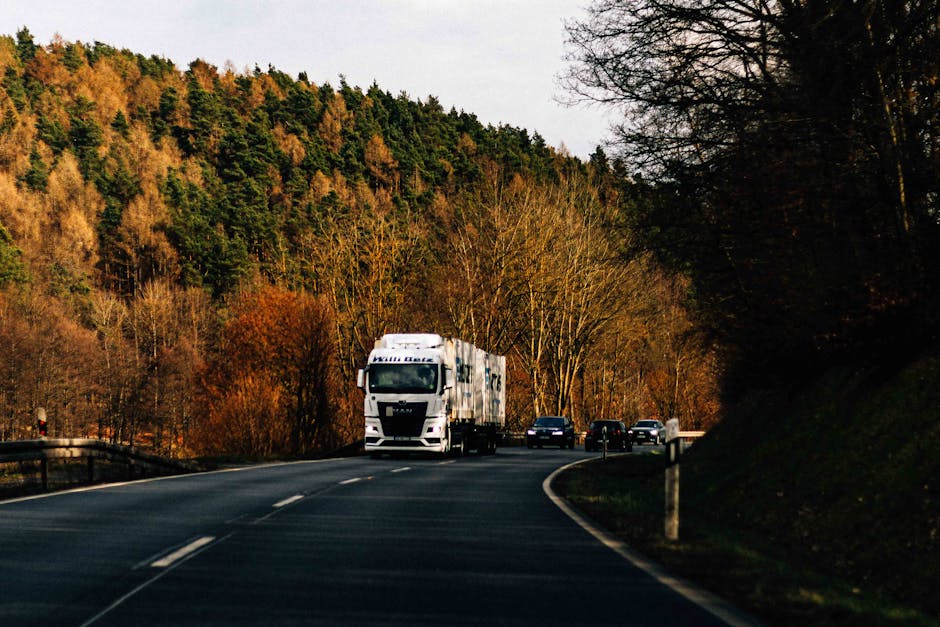
Why Best Moving Routes: Station Road to Epping Forest Matters
The best route is rarely the shortest one. That is the first thing many people learn on moving day. Station Road may connect you quickly to local arterial roads, but the ideal path to Epping Forest depends on the time of day, traffic pressure, road restrictions, parking access, and the size of the van. A route that looks neat on a map can still be awkward in practice if it includes slow turns, narrow stretches, or busy junctions that interrupt loading and unloading rhythm.
For a home move, route choice matters because it affects the whole chain of events: how long your team is on the road, whether the van can park close enough to the property, and how fresh and organised everyone feels by the time the final box comes off. If you are moving anything heavy, even small delays can compound quickly. The difference between a straightforward run and a frustrating one often comes down to timing and preparation rather than distance alone.
There is also a reliability factor. A well-planned route helps reduce avoidable stress, especially if you are using a man and van service or a dedicated removals team. The more precise the plan, the easier it is to coordinate access, protect items, and keep the move on schedule.
Expert summary: A good moving route is not just about getting from A to B. It is about arriving with your schedule intact, your belongings secure, and your move day under control.
How Best Moving Routes: Station Road to Epping Forest Works
Route planning for a move usually follows a simple but disciplined process. Start with the property details, then work outward. You are not only selecting roads; you are selecting the least disruptive journey for a vehicle that may be large, loaded, and time-sensitive. In practical terms, that means checking three layers: access from the pickup address, the main travel corridor, and arrival access near the destination.
1. Assess the starting point
Station Road may offer direct links to nearby roads, but the details matter. Is there enough space for the van to load safely? Are there any parking limitations, school-run peaks, or local restrictions that could slow the start? A few extra minutes spent at the pickup address can save far more time than it costs.
2. Choose the main route with vehicle suitability in mind
The best route for a moving van is usually the one that balances journey time with road simplicity. A slightly longer road may still be better if it avoids tight turns, heavy congestion, or awkward merges. Drivers also prefer a route with predictable flow, because a loaded vehicle responds differently to sudden braking and stop-start traffic.
3. Plan the final approach to Epping Forest
Destination access is where many moves become complicated. The last mile can be more difficult than the main drive, particularly if the property is on a residential road with limited parking, trees overhanging the street, or access shared with other households. The final approach should be chosen with unloading in mind, not just arrival.
4. Match the route to the items being moved
If the van is carrying a piano, bed frame, freezer, or heavy wardrobe, route smoothness becomes even more important. Less vibration and fewer sudden stops mean less strain on the load. For more specialist items, a professional approach matters, and pages like why skilled piano movers make a difference and smart ways to move a bed and mattress show why preparation and handling go hand in hand.
Key Benefits and Practical Advantages
Choosing the right moving route is not glamorous, but it pays off in ways that are easy to feel on the day. You reduce uncertainty, keep your timing tighter, and lower the chance of avoidable damage. Those benefits matter whether you are moving a small flat, a family home, or a work setup with delicate equipment.
- Less wasted time: A suitable route helps avoid delays that can throw off the whole schedule.
- Lower moving stress: Clear planning means fewer decisions during the busiest part of the day.
- Reduced handling risk: Shorter, smoother vehicle movement helps protect boxed items and fragile belongings.
- Better coordination: If movers know where they are going and where they can park, loading and unloading become more efficient.
- Improved value: A well-planned move often gets more done in less time, which can support better cost control.
One practical advantage is that route planning supports the rest of the move. If you know the journey is straightforward, you can book access windows more confidently, stack the schedule around arrival, and coordinate helpers without last-minute uncertainty. That is especially useful for busy households and anyone trying to complete a move in a single day.
Route selection also pairs well with packing discipline. A van loaded with properly labelled, well-balanced boxes travels better than a loose pile of mixed items. If you want that side of the move tightened up, it is worth reading about packing efficiently for moving day and how to make a house move feel less stressful.
Who This Is For and When It Makes Sense
This kind of route planning makes sense for almost anyone moving between a road like Station Road and the Epping Forest area, but it is especially helpful in a few common situations. If you have a van booked, a tight handover deadline, or a home full of bulky items, the route deserves real attention rather than a quick glance at a map app.
It is especially relevant for:
- Families moving house with a full load of furniture and boxes
- Tenants moving from flats where parking space is limited
- Students or first-time movers working with a tight schedule
- Homeowners moving specialist items such as pianos or large appliances
- Small businesses or office teams relocating equipment
- Anyone arranging a same-day move and needing a predictable schedule
It also makes sense if you are moving in stages. Some people take a carload first, then a van, then a final collection of fragile or bulky items. In those cases, a route that is easy to repeat and easy to explain to helpers is often better than the so-called shortest path.
If your move includes a flat with awkward access or a busy household schedule, you may also want to explore flat removals support, house removal services, or even same-day removals where timing is especially tight.
Step-by-Step Guidance
Here is a practical approach you can use when planning the journey from Station Road to Epping Forest. This is deliberately simple, because moving day is not the time for overcomplication.
- Map the pickup and drop-off points. Check the exact property entrances, not just the postcode.
- Look at parking and stopping options. A route is only useful if the van can actually stop close enough to load or unload.
- Check likely traffic patterns. School times, commuter peaks, and weekend leisure traffic can all change the best route.
- Choose roads that suit the vehicle. Wider, clearer roads are usually better for loaded vans than shortcuts through cramped residential lanes.
- Build in a time buffer. Give yourself breathing space for delays, lift issues, or unexpected access problems.
- Prepare the load properly. Stack boxes securely, protect fragile items, and keep essentials easy to reach.
- Confirm arrival contact details. A quick call ahead can prevent confusion if the unloading point is hard to find.
It can help to think of the route as one part of a wider moving workflow. The vehicle cannot rescue poor preparation, and good preparation cannot fully compensate for a badly chosen access route. The two need to work together.
If you are managing the load yourself, do not underestimate the physical side. Guides such as solo lifting advice for heavy objects and the basics of kinetic lifting are useful reminders that safe handling should always come before speed.
Expert Tips for Better Results
The smartest moving routes are not always found by the fanciest navigation app. In our experience, the best outcomes come from combining digital directions with local awareness and common sense. A route can look efficient on screen and still be annoying in a real van if the turning points are too sharp or the parking is too remote.
Use these practical tips:
- Run a pre-move route check: If possible, inspect the area at roughly the same time of day as the move.
- Prefer simpler roads over clever shortcuts: Fewer turns often means less risk and less driver fatigue.
- Plan for the final 50 metres: The route matters, but so does the walk from the van to the front door.
- Keep fragile items separate: Delicate items should be loaded where they are least likely to be crushed or shifted.
- Stay flexible: If one road is blocked or slow, know your backup option in advance.
- Protect the schedule, not just the mileage: An extra mile can still be the better choice if it keeps everything flowing.
There is also a packing-and-loading angle here. A well-packed van handles better and is easier to unload. If you need support on that front, furniture removals and the right removal van can make a noticeable difference when the plan needs to be efficient and practical.
A final tip: if the route crosses busier stretches near your destination, aim to arrive with enough time to circle safely rather than forcing a rushed manoeuvre. Rushed parking is how good moves become awkward. Nobody needs that kind of excitement.

Common Mistakes to Avoid
Most route problems are preventable. They usually happen because someone focuses on distance and forgets access, timing, or vehicle suitability. Here are the mistakes that most often cause trouble.
- Choosing the shortest route blindly: Shortest on a map is not always easiest in a loaded van.
- Ignoring parking restrictions: A great route is useless if unloading requires a long carry from far away.
- Underestimating traffic peaks: A road that is fine at 10 a.m. may be painful at 8:30 a.m. or school pick-up time.
- Failing to check height or width issues: This matters more for larger removal vehicles and furniture-heavy moves.
- Leaving no backup plan: Even a small incident can force a detour.
- Not considering the contents of the van: A fragile load needs calmer handling than a standard box-only move.
Another frequent error is treating route planning as a last-minute task. By the time the van is packed, it is too late to discover that the destination road is difficult for stopping, or that the pickup street is awkward for loading. A little advance checking goes a long way.
If you are also deciding between full removals and lighter support, pages such as general removals help, man with a van options, and broader removal services are useful places to compare what kind of support best fits the day.
Tools, Resources and Recommendations
You do not need a complicated toolkit to plan a good moving route, but a few practical resources make the process much easier. The right combination of maps, packing tools, and moving support can take the friction out of the day.
Useful tools to have ready
- Live map navigation: Helpful for traffic and real-time rerouting.
- Local street view or route preview: Good for spotting tight corners, access points, or parking layouts.
- Labels and markers: Essential for keeping boxes organised and speedier to unload.
- Furniture blankets and straps: Useful if the journey involves delicate or bulky items.
- Phone battery pack: A small detail, but one that saves time when you are coordinating arrivals.
Recommended supporting resources
For the broader move, it can be sensible to use a structured moving plan alongside route planning. Helpful supporting reading includes decluttering for a smoother move, storage options if you need temporary space, and packing supplies and boxes if you are still at the prep stage.
If the move includes specialist belongings, separate planning is worthwhile. For example, a piano should not be treated like a standard cabinet, and a freezer benefits from different handling than a bookshelf. For those items, targeted advice such as how to store a freezer properly can save avoidable damage.
Law, Compliance, Standards and Best Practice
For most home moves, there is no special legal rule that dictates the route from one address to another. But there are still practical standards and responsibilities worth respecting. Vehicle safety, safe lifting, road awareness, and property access all matter. If you are parking on a public road or near shared access, you should pay close attention to local restrictions and avoid blocking driveways, emergency access, or private entrances.
Professional movers also have a duty to work safely and sensibly. That includes loading vehicles properly, using suitable equipment, and planning journeys that do not create avoidable risk for people or property. In the UK, standard moving practice is built around care, communication, and sensible risk reduction rather than guesswork.
If you are arranging a move with a service provider, it is worth checking their safety approach, insurance details, and service terms before the day. Supporting pages such as insurance and safety, health and safety policy, and terms and conditions help set expectations clearly. That is not paperwork for the sake of it. It is part of a trustworthy service.
Privacy, payment handling, and customer process also matter. If you want a provider that takes those details seriously, it is sensible to review payment and security information, privacy policy, and complaints procedure before booking. Good service is not only about transport. It is about accountability.
Options, Methods, or Comparison Table
There are a few sensible ways to manage the journey from Station Road to Epping Forest. The best option depends on your load, your time pressure, and how much help you need on the day.
| Approach | Best for | Strengths | Limitations |
|---|---|---|---|
| Fastest direct route | Light loads with flexible timing | Simple and quick when traffic is light | Can be poor in busy periods or awkward for parking |
| Most access-friendly route | Large furniture and heavy loads | Better for van manoeuvring and unloading | May take slightly longer |
| Traffic-avoiding route | Time-sensitive moves | Reduces the chance of getting stuck in congestion | May add distance or extra turns |
| Professional planned route | Full-house or specialist moves | Balances access, timing, and vehicle suitability | Requires a bit more pre-move coordination |
If you are moving a few items only, a simpler man-and-van style move may be enough. If you are relocating a whole household, a more carefully coordinated removal plan is usually better. For a broader comparison of service types, removal companies and services overview can help you decide what level of support fits the job.
Case Study or Real-World Example
Imagine a couple moving from a property near Station Road to a home close to Epping Forest. They have a mix of packed boxes, a dining table, a bed frame, and a few fragile household items. At first, they assume the quickest route will be the best route. But after checking access, they realise that the shortest road includes tight turns and limited stopping space near the destination.
Instead, they choose a slightly calmer route that gives the van an easier arrival and a cleaner unloading position. The result is not dramatic, and that is exactly the point. Nothing goes wrong. The van gets close enough to the house, the helpers are not forced to carry items too far, and the whole move stays on schedule. That small improvement in route choice saves energy where it matters most: unloading.
Now compare that with a rushed version of the same move. The van arrives late, parking is awkward, and boxes have to be carried further than expected. The whole move feels longer even though the distance was basically unchanged. That is why route planning deserves attention. It changes the experience, not just the mileage.
If the move had included a piano, the stakes would have been higher still. Specialist handling is often the smarter call for anything valuable, heavy, or unusually shaped. The same is true for bulky furniture and awkward flat access. When those factors stack up, professional support is often worth it.
Practical Checklist
Use this checklist before you set off. It is designed to keep the move organised without overcomplicating things.
- Confirm the exact pickup and delivery addresses
- Check whether either property has parking or stopping limits
- Choose a route that suits the size of the van
- Review expected traffic at your planned moving time
- Prepare a backup route in case of delays
- Make sure fragile items are packed and marked clearly
- Load heavy items low and secure them properly
- Keep essential documents, keys, and phone chargers accessible
- Tell the destination contact your expected arrival window
- Review insurance, safety, and service terms if using a mover
A short checklist like this can prevent a lot of second-guessing. It is one of those boring-but-brilliant parts of moving, and honestly, boring is very welcome on moving day.
Conclusion
The best moving route from Station Road to Epping Forest is the one that works in the real world: good access, manageable traffic, sensible timing, and a smooth arrival. The goal is not simply to reach the destination. The goal is to protect your time, reduce strain on the move, and keep the whole day feeling controlled instead of chaotic.
If you treat route planning as part of the move rather than an afterthought, you give yourself a better chance of a calm and efficient transition. Pair that with organised packing, careful lifting, and the right moving support, and the journey becomes much easier to manage. For specialist help, it can be worth exploring about the team, pricing and quotes, or the wider removals service options available.
Get a free quote today and see how much you can save.