Moving Out of Larkswood Estate: Local Removals Checklist
Posted on 23/05/2026
If you are moving out of Larkswood Estate, the difference between a calm moving day and a stressful one usually comes down to preparation. Not glamorous, but true. A good local removals checklist helps you stay organised, avoid last-minute scrambles, and protect the things that matter most while you move through Chingford and beyond.
Whether you are leaving a flat, a family home, or a student property nearby, this guide walks you through the practical side of moving out of Larkswood Estate: local timings, packing, access issues, furniture handling, and the small decisions that save a surprising amount of time. You will also find a realistic checklist, a comparison table, and a few local tips that make life easier on the day. To be fair, moving is rarely effortless. But it can be much smoother.

Why Moving Out of Larkswood Estate: Local Removals Checklist Matters
Moving out of a residential estate brings a few extra moving parts, even if the distance is short. Larkswood Estate sits within a busy part of Chingford, and local moves often involve shared entrances, parking considerations, tighter corridors, and neighbours who may also be coming and going at the same time. That means good planning is not just helpful; it is the thing that stops the move from turning into a mess.
A checklist matters because removals are really a chain of small tasks. Miss one link and the whole day gets awkward. Forget to reserve parking, and the van ends up a long way from the door. Leave boxes unlabeled, and unpacking becomes a sort of domestic treasure hunt. Skip a proper wrap for furniture, and you may find scratches, dents, or a chip in a tabletop that annoys you for months.
There is also the emotional side. Leaving a home can be strange, even if you are excited about the next place. A checklist gives you a sense of control. That sounds simple, but it makes a real difference. When the kettle is packed, the key ring is missing, and the hallway is full of boxes, a written plan is a small sanity-saving tool.
If you are comparing support options while planning your move, it can help to look at the broader removal services overview and decide what level of help suits your situation. Some people only need transport. Others need packing, lifting, or storage too.
How Moving Out of Larkswood Estate: Local Removals Checklist Works
At its core, a local removals checklist breaks the move into stages: preparation, packing, access planning, moving day, and post-move follow-up. The idea is not to create more admin for the sake of it. It is to make the move visible. Once tasks are visible, they become manageable.
For a Larkswood Estate move, the checklist should account for your home type and the route out. A ground-floor flat with easy access will need a different plan from a second-floor property with narrow stairs and a couple of bulky pieces of furniture. A short local journey may sound straightforward, but the real pressure usually comes from loading, lifting, and timing.
Think of the checklist as a decision map. Which items need specialist handling? What can be dismantled beforehand? What should be packed last so you have it available on the first night? And where might the move be slowed down by parking, lift access, or weather? Those are the questions that make the day run well.
For example, if you are moving a sofa or other large piece, you may want to read practical advice on protecting a sofa during transport or storage. If you have a bed frame and mattress to move, a bit of advance planning goes a long way, as explained in this bed and mattress moving guide.
Key Benefits and Practical Advantages
The obvious benefit is organisation. The less obvious one is pace. A well-planned local move often feels faster because people are not stopping every ten minutes to ask where things go or whether the tape is in a box somewhere. You keep momentum, and momentum is everything on moving day.
Here are the main advantages of using a proper local removals checklist for Larkswood Estate:
- Fewer delays: everyone knows what to do and when to do it.
- Better packing discipline: fragile and essential items are separated properly.
- Lower risk of damage: furniture, floors, and doorways are easier to protect.
- Smarter use of van space: bulky items are loaded in the right order.
- Less stress: you are not relying on memory when things get busy.
- Cleaner handover: you are more likely to leave the property in good shape.
There is also a financial angle. Even on a local move, rushed choices can be expensive. A missing box of essentials can lead to late purchases. A scratched sideboard can mean repairs. A poorly packed freezer, if it needs to be switched off, can cause hassle later. If your move needs a specialist vehicle or crew, it is sensible to compare the right support before the day arrives. A quick look at pricing and quotes can help you plan the budget with fewer surprises.
Expert summary: The smoother a move looks from the outside, the more likely it is that the planning happened quietly in the background. That is the goal: calm on the day, not just good intentions.
Who This Is For and When It Makes Sense
This checklist is useful for almost anyone leaving Larkswood Estate, but it is especially valuable if you have one or more of the following:
- a flat with stairs, tight corners, or shared access
- heavy furniture that needs two people or more
- children, pets, or work commitments that reduce moving time
- an urgent move-out date
- storage needs between homes
- valuable or delicate items such as glass, instruments, or electronics
It also makes sense if you are moving without much help. Solo moving sounds doable right up until you try to carry a wardrobe down a stairwell. A little dramatic? Maybe. But the risk is real. If you are planning to do more yourself, some practical guidance on safe solo heavy lifting techniques can help you think more clearly about what should and should not be done alone.
Students, tenants, and homeowners all benefit differently. A student move may be about speed and affordability. A family move may be about protecting furniture and keeping daily life running. A homeowner may be focused on handover, cleaning, and coordinating timings with the next property. Same checklist, different priorities.
Step-by-Step Guidance
1. Start with a room-by-room inventory
Before you tape up anything, list what is moving. Keep it practical rather than perfect. You do not need a museum catalogue. You need a clear picture of what is large, fragile, valuable, awkward, or essential. A quick inventory also helps you spot items that should be sold, donated, recycled, or put into storage.
This is where decluttering matters. Many people discover, usually with a sigh, that they have been carrying the same box of "maybe useful" items from one home to another. If that sounds familiar, decluttering before a move can save time and reduce van space.
2. Decide what stays with you on moving day
Pack a small essentials bag or suitcase. Keep documents, chargers, medication, basic toiletries, keys, snacks, a change of clothes, and a kettle if you are the sort of person who needs tea before anything else. Honestly, many people do.
If you have a freezer full of food or appliances that need special care, make a plan early. For inactive appliances, especially freezers, it is worth reading about how to keep a freezer safe when it is not in use. That can prevent unpleasant smells, moisture issues, and general regret.
3. Pack by priority, not by panic
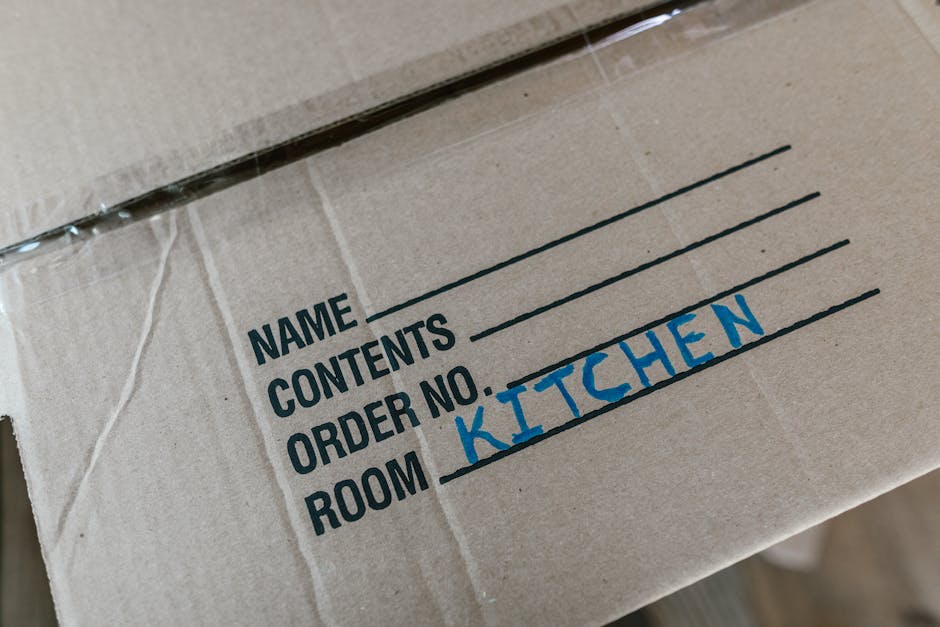
Start with seasonal items, books, decorations, and anything you will not need before the move. Leave daily-use items for last. Label each box with the room and a short note about contents. For example: "Kitchen - mugs, kettle lead, tea towels." Simple. Clear. Brilliant when tired.
If you want a better packing system, it is worth checking professional packing insights for methods that keep fragile items safer and make unpacking easier.
4. Measure access points and furniture
This is one of those boring tasks that can save the whole day. Measure doorways, stair turns, lifts, and large furniture items before moving day. A sofa that fits in your living room may still refuse to leave through the hallway without being turned, lifted, or dismantled. The sofa, naturally, always wins the argument unless you plan ahead.
If the move involves large pieces, the local furniture team can be a better option than trying to improvise. See furniture removals in Chingford for a more focused service if you need help with bulky items.
5. Book the right transport and crew
A local move can be managed with a van, a man and van service, or a larger removals team depending on volume and access. The right choice depends less on distance and more on load size, handling difficulty, and how much help you want.
If you are unsure which option fits, compare a man with a van in Chingford, man and van support, and a fuller removals service in Chingford. That comparison alone can save a lot of second-guessing.
6. Prepare the property for departure
On the final day, protect floors where needed, clear walkways, and keep doors open only if safe to do so. Put screws and fittings into labelled bags and attach them to the relevant furniture item. Tiny habit, huge payoff later.
A light clean before leaving is also worth doing. If you want a practical approach, read these pre-move cleaning steps. It is much easier to clean an empty room than one full of boxes and moving blankets.
7. Confirm the handover details
Double-check keys, meter readings, final bin arrangements, and any instructions from the landlord, agent, or new owner. If you are in rented accommodation, take photos once the property is cleared and cleaned. Calm records are useful if there are later questions. No drama, just proof.
Expert Tips for Better Results
Small improvements make a big difference, especially in a local move where the timetable can be tight. Here are a few habits that experienced movers tend to rely on.
- Use colour-coded labels: even a simple coloured sticker system helps the unloading crew work faster.
- Keep one box for immediate-use items: charger, scissors, bin bags, toilet roll, tea, snacks, and tools.
- Photograph cable setups before unplugging: especially behind TVs, routers, and desks.
- Wrap corners and edges: table legs and mirrors get knocked more often than people expect.
- Separate valuables early: passports, cash, documents, and jewellery should travel with you.
- Think about weather: a damp morning or a sudden shower can change how you load and protect items.
One practical observation from real moving days: the final 15 minutes before departure are often the messiest. That is normal. The trick is to create buffer time for the unexpected, because the unexpected always shows up. Usually at 8:40 in the morning, with one missing shoe and a half-taped box.
If you have specialist items such as a piano, do not guess your way through it. The weight, shape, and internal mechanism make it a different job entirely. Read piano removals in Chingford and the related guide on the risks of moving a piano without professional help before making assumptions.
Common Mistakes to Avoid
Most moving problems are predictable. The good news is that most are avoidable too.
Leaving packing too late
The classic mistake. People tell themselves they will pack "properly" the night before. Then the tape runs out, the bin bags are full, and the move becomes a race against the clock. Start earlier than feels necessary.
Underestimating access issues
Local does not always mean easy. Lifts may be busy, parking may be limited, and staircases can make simple furniture awkward. If your property is a flat or maisonette, check access conditions carefully and consider whether flat removals support would make the move simpler.
Not protecting furniture properly
Loose drawers, exposed legs, and unwrapped surfaces are all easy to damage. Use blankets, wrap, and straps where needed. It is less about being fancy and more about basic protection. A wobbling bookcase is nobody's friend.
Using the wrong vehicle size
Too small and you end up doing multiple trips. Too large and you may pay for space you do not use. If you are not sure, ask for advice from a local team that understands van size options and route practicality.
Forgetting storage or overflow items
Sometimes everything does not fit neatly into one date. Maybe the new place is not ready, or maybe you are waiting on refurbishment. In those cases, explore storage in Chingford before moving day gets too close.
Tools, Resources and Recommendations
You do not need a truckload of gadgets to move well. In most cases, the essentials are simple, reliable, and cheap enough to justify. The right tools reduce physical strain and help the day feel controlled rather than chaotic.
| Tool / Resource | Why It Helps | Best Used For |
|---|---|---|
| Strong boxes | Stack well and protect contents | Books, kitchenware, clothes, household items |
| Packing tape and dispenser | Speeds up sealing and re-sealing | All box types |
| Bubble wrap or paper | Cushions fragile items | Glassware, decor, electronics |
| Furniture blankets | Protects surfaces during loading | Sofas, tables, wardrobes |
| Dolly or sack truck | Reduces lifting strain | Heavy boxes, appliances, stacked items |
| Labels and marker pens | Keeps the move organised | Room-by-room sorting |
| Storage options | Solves timing gaps | Delayed handover, decluttering, renovations |
Good packing supplies matter more than most people expect. If you need boxes, tape, wrapping, or a packing system built around your move, have a look at packing and boxes in Chingford. And if you are in a hurry, a local same-day removals option may be useful when timing is tight.
There is also a sustainability angle. Reusing good boxes, recycling packing waste correctly, and avoiding unnecessary trips all help reduce waste. For more on that side of the move, see recycling and sustainability. It is a small thing, but worth doing properly.
Law, Compliance, Standards, or Best Practice
For most household moves, the main compliance issues are practical rather than complicated. You usually need to think about safe lifting, parking permissions, access management, insurance, and clear communication with any building manager, landlord, or letting agent. If you are moving from a managed estate or shared property, it is wise to check whether there are time restrictions or loading arrangements to follow.
Health and safety best practice matters too. That includes not overloading boxes, not carrying loads you cannot see over, and not trying to shift items that clearly need two people or specialist handling. If the job involves stairs, awkward angles, or heavy pieces, a cautious approach is usually the best one. No prize is given for bravado.
For service standards, it is reasonable to expect clear pricing, sensible communication, and proper care with belongings. If you want to understand how a removal provider handles safety, it is worth reviewing their insurance and safety information and checking the detail in the health and safety policy. That is especially important if you are moving items with higher value or unusual handling requirements.
If payment process and service terms matter to you, those should be transparent too. A trustworthy mover should make it easy to understand what is included, what is not, and how changes are handled. You should never feel rushed into guessing.
Options, Methods, or Comparison Table
Different moves call for different methods. Choosing well can save time, money, and effort. Here is a straightforward comparison for local Larkswood Estate moves.
| Method | Best For | Advantages | Limitations |
|---|---|---|---|
| DIY with personal vehicle | Very small loads | Low upfront cost | Slow, physically demanding, limited capacity |
| Man and van | Small to medium local moves | Flexible, practical, often efficient | May not suit large family homes |
| Full removals team | Furnished homes, complex access, heavier loads | More support, faster loading, less strain | Usually more expensive than a basic van-only approach |
| Storage plus removals | Moves with timing gaps | Useful when completion or access is delayed | Requires extra planning and cost consideration |
In real life, the right answer often sits between categories. A small flat might only need a van and a couple of strong hands. A two-bedroom home with a piano, a large sofa, and narrow stairs may need something much more tailored. If you are not sure, the safest route is to ask for advice rather than guess and hope.
For business moves or workspace relocation, the same idea applies. Office equipment, files, and furniture require different handling from a domestic move, so office removals support may be a better fit if your move is commercial.
Case Study or Real-World Example
Here is a realistic local example. A couple moving out of a flat near Larkswood Estate had a fairly standard load: a bed, wardrobe, two sofas, a dining table, boxes of books, and a freezer that needed attention. On paper, it looked manageable. In practice, the tight hallway and staircase were the real issue.
They started a week early, which made all the difference. The wardrobe was dismantled the day before. Boxes were labelled by room. The freezer was dealt with in advance so it could be emptied and prepared properly. They also booked a service that matched the property access rather than just the item count, which is where many moves go wrong.
On moving day, the crew did not spend time making decisions. They loaded the larger pieces first, protected corners, and kept the first-night essentials easy to reach. The result was a move that felt steady rather than frantic. Not exciting, maybe, but exactly what you want.
That kind of outcome is not luck. It is the result of a checklist being used as a practical tool instead of a vague reminder.
Practical Checklist
Use this checklist as a working guide in the days before you leave Larkswood Estate.
- Confirm your moving date and access times.
- Check parking or loading arrangements near the property.
- Measure large furniture and access points.
- Book the right transport or removals support.
- Declutter rooms and remove unused items.
- Set aside items to donate, recycle, store, or dispose of.
- Collect boxes, tape, wrap, labels, and markers.
- Pack non-essential items first.
- Keep valuables and documents with you.
- Prepare an essentials bag for the first 24 hours.
- Dismantle furniture where needed and bag the fixings.
- Protect fragile items with proper wrapping.
- Arrange storage if there is a timing gap.
- Clean rooms as they are emptied.
- Take meter readings and photos if needed.
- Return keys and complete the handover.
It is also sensible to keep a final review list for odd items: plants, bins, keys, chargers, medicine, and anything stored in cupboards, loft spaces, or under beds. Those are the things that get forgotten. Always.
Conclusion
Moving out of Larkswood Estate becomes much easier when you treat it like a sequence of small, sensible tasks rather than one giant event. A local removals checklist helps you pack properly, plan access, protect your furniture, and keep control of the day from start to finish.
That matters even more when the move involves stairs, bulky items, or tight timing. With the right preparation, you can avoid the common mistakes that turn a local move into a long and tiring one. And if you need support, it is worth choosing services that match your actual situation, not just the headline price.
Get a free quote today and see how much you can save.
Take your time, plan the details, and let the move work for you. A calm move is possible, honestly. Sometimes it just needs a good checklist and a bit of local know-how.