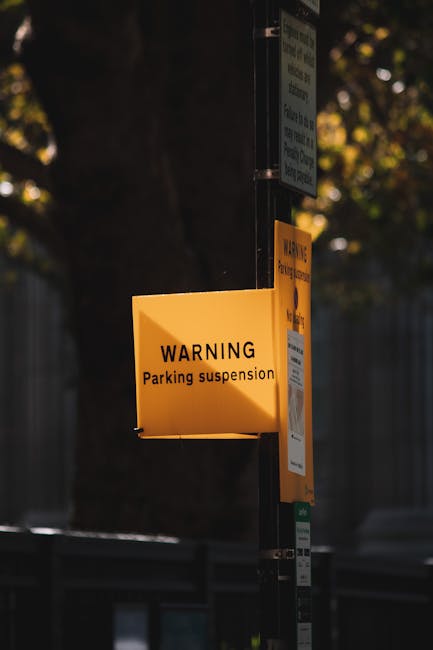
Street parking suspensions in Chingford: permit checklist
Posted on 04/07/2026
If you are planning a move, delivery, or any job that needs a van close to the property, street parking suspensions in Chingford can save a surprising amount of stress. Truth be told, nothing slows a moving day down faster than a blocked bay, a confused neighbour, or a vehicle that has to park half a street away. This guide breaks down the permit checklist in plain English, so you can plan properly, avoid avoidable mistakes, and keep everything moving in the right order.
Whether you are handling a flat move, a house clearance, bulky furniture, or a last-minute same-day job, the principle is the same: make space for the vehicle before the crew arrives. That is exactly what this article helps you do. You will get the practical steps, the common snags, the local considerations, and a sensible checklist you can actually use.
For readers who want to understand the wider moving process too, it can help to look at moving house without the hassle and local permit planning for Chingford removals as part of the bigger picture.

Why Street parking suspensions in Chingford: permit checklist Matters
Street parking suspensions matter because removals and deliveries live or die by access. If the van cannot park near the entrance, you usually lose time, energy, and sometimes patience. In a busy part of London, that can mean longer carrying distances, extra lifting, more risk to the item being moved, and a lot more back-and-forth on the day.
In Chingford, the challenge is often not just parking itself but the shape of the street. You can have narrow roads, resident bays, school-time congestion, and the occasional car owner who has no idea your move is happening in two hours. A parking suspension, when properly arranged, reduces that uncertainty. It creates a clear space for the vehicle and gives everyone a cleaner, safer working area.
There is also a cost angle. A well-planned suspension can help prevent delays that push a move into overtime or force a second trip. For people comparing moving options, that one detail can change the whole day. If you are also thinking about vehicle size or access, it is worth reviewing man and van support in Chingford and the broader removal services overview before deciding what level of help you actually need.
Expert summary: a parking suspension is not just admin. It is access planning. And access planning is what keeps the move calm, practical, and less of a scramble at the kerbside.
How Street parking suspensions in Chingford: permit checklist Works
The basic idea is simple: you identify the street space needed, submit the relevant request in advance, and make sure the right temporary parking controls are in place for the moving day. The precise process can vary depending on the local authority and the road type, so always treat the council's current instructions as the final word. That may sound obvious, but it is the bit people sometimes skip. Then they wonder why the bay is still full at 8:15 on a Tuesday morning. Not ideal.
The permit checklist normally covers three things: the location, the timing, and the vehicle. Location means the exact road or section of street where access is needed. Timing means the start and end dates or hours. Vehicle means the size or type of vehicle expected to use the space, which is especially relevant for larger vans and furniture moves.
When booking a move, the parking plan should be aligned with the rest of the job. If you are arranging a full property move, links like house removals in Chingford and flat removals in Chingford can help you think through how much access you need, not just where the van will sit.
In practice, the process often works best when you build backwards from the moving day. Ask yourself: where will the van stop, how long will loading take, what is the realistic walking distance from the entrance, and is there anything likely to block the space? If you answer those questions early, the rest becomes much easier.
Key Benefits and Practical Advantages
There are several clear benefits to getting parking suspensions sorted properly, and they are not just theoretical.
- Shorter loading times: closer parking means fewer unnecessary steps.
- Lower damage risk: items are carried over shorter distances and with fewer turns, bumps, and interruptions.
- Less stress on the day: the crew can focus on the move instead of hunting for a legal parking spot.
- Better neighbour relations: organised parking looks and feels more considerate than a van dropping in unannounced.
- Cleaner schedule control: useful when a lift, stairwell, or time window is tight.
There is a quieter benefit too: confidence. Once the access issue is handled, the rest of the move tends to feel more manageable. That matters, especially if you are balancing work, family, boxes, and the general chaos that seems to appear in the last 48 hours before moving day.
If you are moving special items, the benefit is even more obvious. For example, a piano move really does not thank you for long carry distances or awkward roadside waiting. On that note, the article on moving a piano safely with professional help is a useful read if your job includes delicate, heavy, or awkward pieces.
Who This Is For and When It Makes Sense
This checklist is useful for far more people than first-time movers. In fact, anyone needing temporary kerbside access in Chingford can benefit from it.
- House movers who want the van close to the front door.
- Flat movers dealing with stairs, lifts, or tight communal access.
- Furniture delivery customers handling a sofa, wardrobe, bed, or other bulky item.
- Students moving in or out with limited time and a small vehicle.
- Office teams managing equipment, files, and furniture transfers.
- Same-day or urgent moves where efficiency matters more than anything else.
It makes sense whenever parking space is not guaranteed. That includes roads where bays are regularly occupied, streets with controlled parking zones, and any location where you know a vehicle cannot simply pull in and wait. If your move involves awkward items or multiple stops, this is even more important. A moving day that begins with a parking problem tends to keep finding new problems, one after another. Funny how that works.
For smaller homes or tighter streets, you might also find small flat move advice for Chingford and the Larkswood Estate moving checklist helpful for planning access alongside the suspension.
Step-by-Step Guidance
Here is the cleanest way to handle the permit checklist without missing the obvious bits.
- Confirm the exact address and street space needed.
Be precise. The wrong bay, the wrong side of the street, or the wrong entrance can undo the whole plan. - Check whether your street uses controlled parking rules.
If the area has bays, yellow lines, residents' permits, or time restrictions, parking planning matters even more. - Decide how long the suspension needs to last.
Build in a margin. Loading rarely takes less time than people hope. - Choose the correct vehicle size.
A van that is too small leads to repeat trips; a vehicle that is too large may need a different access plan. - Gather the required details early.
Typical items include the move date, location, reason for suspension, and vehicle registration if required. - Apply with enough lead time.
Last-minute requests are where stress starts to creep in. More on that below. - Tell everyone involved what has been arranged.
Neighbours, building management, movers, and anyone helping on the day should know the plan. - Prepare visible confirmation if required.
If the council asks for signage or proof, keep it easy to find and easy to display. - Walk the route before moving day.
Small obstacles matter: bins, low branches, steps, tight corners, or somewhere the van cannot safely sit. - Have a fallback plan.
Sometimes the space is not available even when you have done everything right. A decent backup plan is not pessimism; it is common sense.
To make the moving side of the plan work smoothly, it can help to pair the parking suspension with smart packing and route planning. The guidance in pro packing insights and local route planning from Station Road to Epping Forest can be a useful companion to this checklist.
Expert Tips for Better Results
Small details make a big difference here. That is the honest truth.
- Book earlier than you think you need to. Permits and suspensions can take time to process, and delays are annoying when the moving date is fixed.
- Measure the loading area. A van may fit in theory but not in practice if the street is tight or the angle is awkward.
- Check school and rush-hour pressure. Chingford traffic patterns can change the feel of a road very quickly.
- Use one person as the access lead. Too many people guessing the plan leads to mixed messages. One point of contact, ideally.
- Keep paperwork together. Permission, reference numbers, and any instructions should be stored in one place, not buried in a half-charged phone.
It also helps to think in terms of load type. A sofa, a mattress, or a washing machine all behave differently on the move. Planning the parking area around the heaviest or least manageable item is often the smarter move. If your job includes awkward furniture, furniture removals in Chingford and bulky item removal solutions are worth reading alongside this guide.
One last tip: if you know the street is likely to be busy, assume the first choice of space may be taken. Plan for the second choice now, not during the panic at 7:30 in the morning while everyone is making tea.
Common Mistakes to Avoid
Most parking suspension problems come from simple oversights, not major disasters.
- Leaving the request too late. This is the classic one. Time disappears quickly.
- Giving an imprecise location. "Outside the house" is not always enough.
- Forgetting about the vehicle dimensions. A larger van may need more room than expected.
- Not checking the exact moving date. Bank holidays, council timings, and street cleaning can all affect access.
- Assuming neighbours will just know. They probably will not. And even if they do, their visitor may still park there.
- Failing to plan for loading time. Underestimating the work is a fast way to lose the buffer.
A subtle mistake is treating the permit as a box-ticking exercise. It is not. It is part of the overall moving strategy. If you are moving solo or with limited help, access becomes even more important. You may find solo heavy-lifting advice useful for understanding how parking distance affects the physical side of the move.
And yes, people do occasionally forget to check whether the road layout makes unloading awkward. Then everyone ends up carrying a bed frame around a parked car. It happens more than you would think.
Tools, Resources and Recommendations
You do not need a complicated toolkit, but a few practical resources make this far easier.
- A written moving plan: even a simple page with times, addresses, access details, and contacts can keep the day on track.
- Measuring tape: useful for van fit, furniture width, and tight entrances.
- Phone notes or printed confirmation: keep approvals and reference details handy.
- Labels and packing materials: the access plan works better when the loading itself is organised.
- Clear communication with movers: tell them about stairs, long carries, intercoms, gates, and parking constraints.
For related planning support, the most useful companion pages are usually those that deal with move preparation, item protection, and scheduling. A few examples include decluttering before a move, getting the home ready before moving day, and packing supplies and boxes in Chingford.
If the move involves short-term storage, a few more planning decisions may be needed around vehicle access, loading sequence, and item protection. For that, it can help to read about storage options in Chingford and how to prepare specific items like a sofa for long-term storage or a freezer when it is not in use.
Law, Compliance, Standards, or Best Practice
Parking suspensions are not just a convenience feature. They sit within local parking control and road-use rules, so compliance matters. In plain terms, that means you should follow the correct local process, display or communicate any required permission, and respect the times and conditions attached to the suspension.
Best practice is straightforward:
- apply through the proper channel for the street in question;
- use accurate address and vehicle details;
- keep to the approved times;
- avoid blocking access routes or emergency access;
- make sure the vehicle is parked only where the arrangement allows.
If your move involves business premises, additional access considerations can apply, especially around loading bays, commercial units, and time-limited stopping. For a sense of how this fits into wider planning, the office removals in Chingford page shows how access and schedule discipline often go hand in hand.
Be careful with assumptions. Not every street has the same rules, and not every suspended space works the same way. If something is unclear, check before the day rather than trying to improvise later. That is usually where avoidable hassle begins.
Options, Methods, or Comparison Table
There are usually a few ways to manage parking for a move. The right choice depends on how much space you need, how busy the road is, and how much risk you are willing to accept.
| Method | Best for | Pros | Limitations |
|---|---|---|---|
| Street parking suspension | Moves needing guaranteed kerbside access | Most reliable for close loading | Needs planning and approval |
| Resident or visitor parking arrangement | Shorter jobs or light access needs | Can be quicker to organise | Not always available or sufficient |
| Standard street parking without a suspension | Low-risk, quiet streets with spare space | No formal request in some cases | Least predictable on busy roads |
| Off-street loading or private driveway | Properties with usable private access | Very convenient when available | Not suitable for every home or van size |
For many Chingford moves, the suspension option is simply the safest bet. If the job is time-sensitive or involves heavier items, choosing certainty often saves more than it costs in admin time. If you are trying to compare service levels and moving methods, the services overview and the removal quotes guide can make the decision a lot less fuzzy.
Case Study or Real-World Example
A typical example: a family moving from a Chingford terrace with a narrow road and on-street parking that is often full by mid-morning. They had a sofa, a bed, several boxes, and a wardrobe that could not be safely dragged across a long distance. At first, they assumed the van could just park nearby on the day. That sounded fine. Until a neighbour, a delivery driver, and a builder's van all used the likely space.
After revising the plan, they arranged a parking suspension for the most critical part of the street and aligned the move time with that window. The effect was immediate. The crew parked close, the carry distance dropped, and the heavier pieces came out in a much smoother sequence. There was still work, of course. Moving is moving. But the day felt controlled rather than chaotic.
This is the bit people underestimate: the suspension did not make the move glamorous, it just made it doable without fuss. And honestly, that is often enough.
If your own move involves a tighter layout, you may also want to look at what to expect from urgent same-day moves and how smaller flat moves are handled in Chingford, because access issues tend to show up most clearly in those scenarios.
Practical Checklist
Use this checklist before moving day. Keep it simple and visible.
- Confirm the exact pickup address and the correct road section.
- Check whether parking controls or restrictions apply.
- Decide how long the vehicle needs the space.
- Confirm the van size and loading needs.
- Prepare any required permit or suspension details.
- Notify household members, neighbours, or building management if needed.
- Make sure access routes are clear of bins, planters, and loose items.
- Label fragile or heavy items in advance.
- Plan the loading order so the most important items go first.
- Keep phone numbers and confirmations easy to access.
- Build in a small buffer for delays.
- Check weather, traffic, and any time-sensitive restrictions.
Quick takeaway: the best permit checklist is the one that turns a parking problem into a non-event.
And if your move includes unusual or high-value items, it is worth thinking about extra handling too. For example, antiques need damage prevention, while awkward items may be better managed through more advanced lifting methods.
Conclusion
Street parking suspensions in Chingford are about more than reserving a patch of road. They are about making the move safer, faster, and far less exposed to chance. If you handle the permit checklist properly, you reduce the pressure on everyone involved and give yourself a much better chance of a calm moving day.
The key is not perfection. It is preparation. A clear address, the right timing, the right vehicle, and a plan for the space outside the property will do more for your move than most people realise. Small job, big impact. That is the thing.
If you are comparing moving support, vehicle access, and costs, keep the parking plan at the centre of the decision rather than treating it as a side note. It rarely is.
Get a free quote today and see how much you can save.
And if all you take from this is one practical habit, let it be this: sort the space before the boxes. The rest tends to fall into place after that.