Waltham Forest Council permits for Chingford removals
Posted on 26/06/2026

Waltham Forest Council permits for Chingford removals: what you need to know before moving day
If you are planning a move in Chingford, the phrase Waltham Forest Council permits for Chingford removals may sound like a small admin detail. In reality, it can be the thing that keeps your moving day calm instead of chaotic. A parking permit, a bay suspension, or a temporary loading arrangement can make the difference between a van stopping safely outside your home and a driver circling for ages with a sofa in the back. Not ideal, to be fair.
This guide explains what council permits are, why they matter, how they usually affect removals in Chingford, and how to plan around them properly. It also covers common mistakes, practical checks, and the sort of real-world moving day details people forget until the last minute. If you want a smoother, less stressful move, this is a good place to start.
Why Waltham Forest Council permits for Chingford removals matters
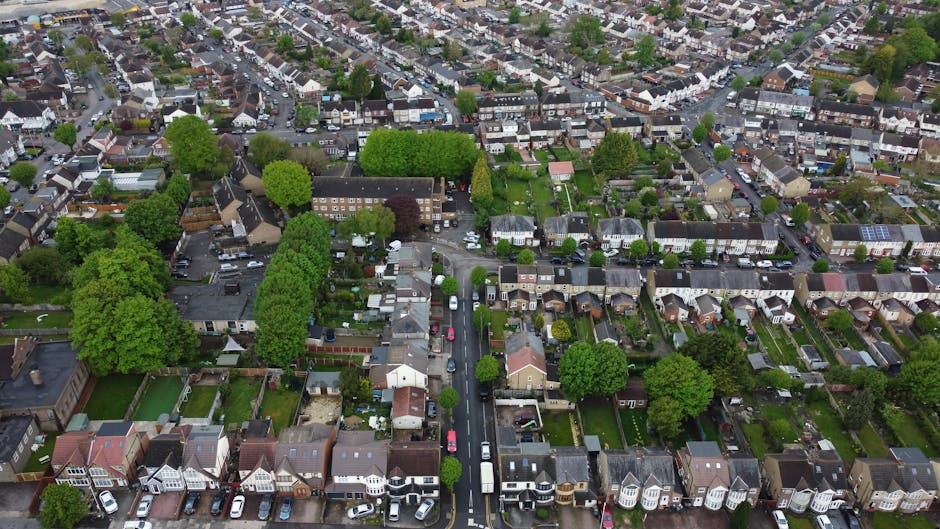
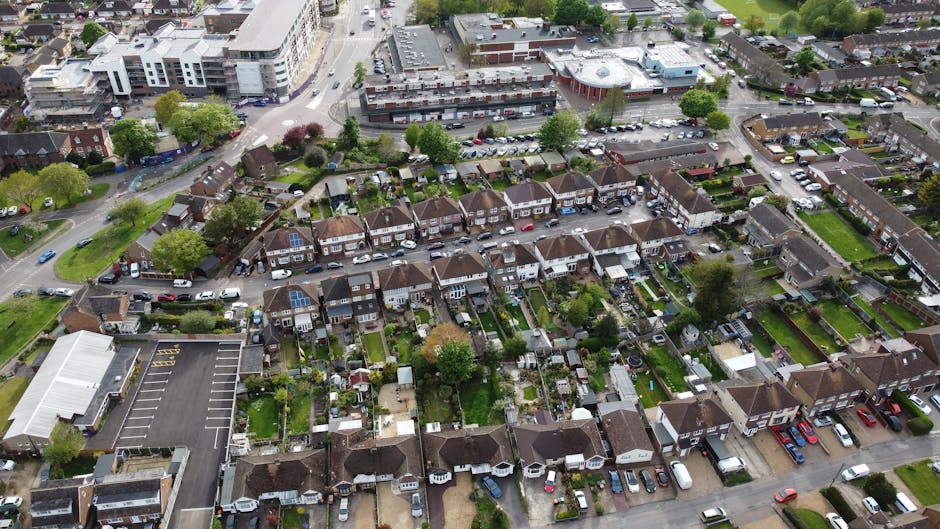
Moving home is rarely just about boxes and tape. In Chingford, the bigger challenge is often the street outside your front door. Narrow residential roads, parked cars, controlled bays, yellow lines, and busy local traffic can all turn a straightforward removal into a logistical puzzle. That is why council permission matters. It helps you use the available kerb space legally and, more importantly, safely.
When a removals van cannot stop where it needs to, the whole day slows down. Items get carried further. Lifts can be delayed. The crew may need to park awkwardly, which increases the risk of damage or frustration for neighbours. You will notice this especially on terraced streets, around busier local routes, or in places where loading space is tight and everyone seems to have the same idea at the same time.
There is also a trust factor. Planning properly tells your removals team, your landlord, and sometimes your neighbours, that you have thought ahead. That sounds simple, but on moving day simple things matter. A permit is not glamorous. It just quietly solves a problem before it becomes one.
For broader moving support, it can help to review practical ways to keep a house move hassle-free and how decluttering can reduce moving day pressure before you even think about the van.
How Waltham Forest Council permits for Chingford removals works
Most permit-related moving issues come down to parking and access. Depending on where you live and what the road restrictions are, you may need permission for a commercial vehicle to load or unload, to suspend a parking bay, or to use a restricted space for a limited time. The exact arrangement depends on the street, the type of restriction in place, and the council's current process.
In plain English: if your removals vehicle would otherwise be parked somewhere it should not be, or if its presence affects local parking controls, a permit may be needed. That is especially likely in areas with controlled parking zones, resident bays, or streets that get busy early in the morning and again in the late afternoon. Chingford has plenty of those little pinch points where you only need one badly placed vehicle to make everything awkward.
A good removals plan typically starts with a road check. Look at the access outside the property, the width of the street, whether the van can get close to the front door, and whether any bay or loading space needs to be reserved. If you are moving from a flat, a maisonette, or a property with limited frontage, this becomes even more important. A quick look can save a lot of back-and-forth later.
In some cases, an experienced removals team can help you judge whether the move is likely to need a permit or whether careful timing and roadside loading will be enough. If you are dealing with a smaller property, our guide to small flat moves on the Ridgeway shows how local access constraints shape the plan.
One thing people often miss: permits and practical moving logistics are linked. A permit may solve parking, but it does not solve everything. You still need the van size, the lifting plan, the packing order, and the route to fit together neatly. That is why removals work best when the admin and the physical move are planned as one job, not two.
Key benefits and practical advantages
The main benefit is straightforward: less stress. But the practical advantages go a bit deeper than that.
- Smoother loading and unloading: The van can park closer to the property, which reduces carrying distance and speeds up the move.
- Lower chance of fines or disputes: If a vehicle is left in a restricted spot without permission, you may run into avoidable trouble.
- Better protection for furniture: Shorter carrying distances mean less chance of bumping doorframes, stairs, or parked cars.
- Less neighbour friction: A planned setup tends to look more orderly and less like a surprise invasion of the street.
- More reliable timing: When parking is sorted, your schedule is less likely to drift.
There is another benefit that is easy to underestimate: mental space. Once the parking side is handled, your brain can focus on what actually needs packing and moving. That matters more than people think. A moving day already has enough little decisions. Why add a parking headache on top?
For bulky loads, specialist items, or awkward furniture, the value is even clearer. A short, legal parking setup can make a large move feel far more controlled. If you are shifting heavier or unusually shaped belongings, it may also be worth reading about fast solutions for bulky item removals in Chingford and furniture removals in Chingford to see how access planning fits into the wider move.
Who this is for and when it makes sense
Not every move will need a council permit or bay arrangement. Some homes have private drives, enough roadside space, or quiet streets where loading is simple. But permits become much more relevant in a few familiar situations.
- Residents in terraced streets or tight residential roads where a van cannot easily stop outside.
- Flat movers where access is limited and the van needs to stay close for a manageable carrying route.
- Busy local streets where parking restrictions are active throughout the day.
- Office or business moves where timing, access, and vehicle positioning affect the whole schedule.
- Students and short-notice movers who are juggling keys, check-out times, and limited flexibility.
If you are moving out of a managed block, the permit question becomes even more important. Sometimes the building has its own rules, and sometimes the road itself is the bigger issue. The same move can involve both. That is why many people ask for advice before they book rather than after the boxes are already stacked by the front door.
For instance, a student leaving shared accommodation may not need a huge van, but they may still need proper loading space and timing. That is where student removals in Chingford and man and van support in Chingford can be a practical fit, especially when the move is small but the access is annoying.
Step-by-step guidance
Here is the simplest way to approach permits for a Chingford move without making it feel like a bureaucratic swamp.
- Check the street outside your property. Look for bay markings, loading restrictions, yellow lines, resident parking signs, and any space constraints near kerbs or corners.
- Estimate van size and unloading distance. A small van may tuck in more easily than a larger one, but if you need several loads it may not be the best fit overall.
- Ask your removals company early. A good team will usually know when a permit or parking adjustment is likely to be needed. Do not leave this until the night before. Honestly, that is when people start sweating.
- Confirm the timing of the move. Morning moves often compete with commuters and residents leaving for work. Midday can be calmer, but it depends on the road.
- Prepare for loading efficiency. Pack by room, label clearly, and keep essentials separate. If the van arrives and half the flat is still being sorted, the permit is not the problem anymore.
- Plan for contingency. If the closest stop is not available, decide in advance where the next-best loading point is.
A useful way to think about it is this: the permit is not the whole solution. It is part of the route from front door to van door. When that route is clean, everything else feels easier. That is why experienced movers pay so much attention to access. It is a small thing with a big knock-on effect.
If you are still shaping your moving schedule, this may also help: a clear guide to removal quotes in Chingford can make it easier to compare services once you know what access support you really need.
Expert tips for better results
Here is where the local experience really pays off. The job is not just "get the permit." It is "get the right setup for the road, the home, the crew, and the clock." Small difference, big result.
- Check access the day before: A neighbour's car, road works, or a temporary obstruction can change the plan fast.
- Use the same route for everything: If the van can park one way for loading, make sure the return load will not be blocked by a different parking pattern later.
- Keep fragile items separate: If the access walk is longer than expected, delicate boxes are more at risk. You do not want your lampshades learning about gravity the hard way.
- Label heavy boxes clearly: It helps the team place them in the van more intelligently and prevents awkward lifting later on.
- Match the permit plan to the property type: A top-floor flat, a family house, and a small office each create different parking and loading needs.
There is also a human tip here: keep one person free to manage keys, doors, and quick decisions. It sounds obvious until everyone is carrying something and nobody knows where the spare fob went. Happens all the time, frankly.
For awkward or specialist items, local knowledge matters even more. If the move includes a piano, talk to someone who understands the risks. The realities are set out clearly in the perils of moving a piano without professional help and on the dedicated piano removals Chingford page. Heavy, delicate, and time-sensitive is not a great mix if you are improvising.
Common mistakes to avoid
Most permit problems are preventable. The annoying part is that people usually realise this after the stressful bit has already happened.
- Leaving parking planning until the end. By then you may have booked the van, packed the house, and lost your flexibility.
- Assuming every road is the same. A street two minutes away can have very different parking rules.
- Booking the wrong vehicle size. Too small and you need extra trips; too large and you may struggle with access.
- Forgetting building rules. Flat blocks, estates, and managed developments may have their own loading instructions.
- Ignoring the weather. Rain, icy paths, and darker winter afternoons all make longer carrying distances feel harder.
- Not communicating with the removals team. If the driver does not know the layout, they cannot plan efficiently.
A lot of moving stress comes from assumptions. "There will probably be room." "Someone will sort the parking." "It'll be fine." Sometimes it is fine. Sometimes it really isn't. Better to ask the slightly boring question early than deal with a messy workaround later.
Tools, resources and recommendations
You do not need a giant toolkit for this part, but a few simple things make a measurable difference.
- Property photos: Take a picture of the frontage, road layout, and any nearby parking signs. They are useful when checking access planning.
- Floor plan or room list: Helps decide where items should go in the van and where they will land in the new place.
- Labels and colour coding: A small roll of labels can save a lot of time once the unloading starts.
- Blankets, straps, and covers: Good for protecting furniture where the carrying distance is longer than expected.
- Moving checklist: A written checklist is still one of the best tools going. Old-fashioned, maybe, but it works.
If you want to reduce the amount of loose handling on the day, use advice from pro packing insights and packing and boxes in Chingford. Better packing means faster loading, and faster loading is especially useful when a permit window is limited.
For storage-heavy moves, it can also help to think about what stays out of the van and what comes back later. That is where storage in Chingford becomes useful. Not every move needs everything delivered on the same day, and that is perfectly normal.
Law, compliance, standards, or best practice
When moving in a London borough, the safest approach is to treat parking and loading as a compliance issue, not a casual convenience. That does not mean you need to become an expert in local traffic rules. It does mean you should respect the restrictions that apply to the road and use only properly arranged permissions where needed.
Best practice usually includes:
- checking whether a parking bay or loading area is restricted;
- making sure any vehicle is parked legally and safely;
- keeping access routes clear for pedestrians, neighbours, and emergency use;
- planning for realistic loading times instead of assuming everything will take ten minutes;
- using professional movers who understand road access, handling safety, and insurance expectations.
That last point matters. Proper removals work is not only about lifting boxes. It is also about reducing risk, protecting property, and working in a way that does not cause avoidable disruption. If you want a broader picture of how a professional team handles these responsibilities, our health and safety policy, insurance and safety, and services overview pages show the kind of standards a careful provider should follow.
There is also an environmental angle. If your move involves unwanted items, consider what can be reused, recycled, or responsibly disposed of. A small bit of sorting before moving day can keep waste down and make the process feel more deliberate. Recycling and sustainability is worth thinking about early, not as an afterthought.
Options, methods, or comparison table
Different moves need different parking and access approaches. Here is a simple comparison to help you decide what is most realistic for your situation.
| Approach | Best for | Pros | Watch-outs |
|---|---|---|---|
| No permit, simple roadside loading | Quiet streets, private drives, easy access | Fast, low admin, flexible | Only works if the parking situation is genuinely straightforward |
| Permit or bay arrangement | Controlled streets, restricted parking, tighter access | More predictable, safer, better for timing | Requires forward planning and sometimes extra lead time |
| Small van with multiple trips | Short moves, compact loads, student or flat removals | Easier to park in tighter places | Can take longer and may need careful scheduling |
| Larger removal vehicle | House moves, bulky furniture, office relocations | More efficient for larger loads | May be harder to park and load in dense streets |
In practice, the best option is the one that matches the road, not the one that sounds easiest on paper. A larger van may save time overall, but only if it can stop close enough to the property. Otherwise you gain volume and lose access. Not a good trade.
Case study or real-world example
A typical Chingford move might involve a two-bedroom flat on a residential street with controlled parking. The family wants to leave early, the lift is small, and the road usually fills up with parked cars by mid-morning. At first glance, it looks manageable. Then the reality of the street kicks in.
In that kind of move, the access plan often becomes the real centre of the job. The team may identify a limited loading window, a need to park close to the building, and a carrying route that would be awkward if the van were left further away. If the parking side is sorted early, the rest of the day becomes much calmer. Boxes go out in order. Furniture leaves in sensible sequence. Nobody is rushing back and forth with a bedside table while trying to avoid traffic.
One small detail often makes the difference: grouping the heaviest items nearest the door before the van arrives. That sounds basic, but it helps the loading team use the parking window efficiently. When the first load is already staged, the move gains rhythm. And rhythm, really, is what a decent move needs.
If the same family had a sofa that needed careful storage before completion of the new place, a guide like secure your sofa for long-term storage would be a useful companion piece. Likewise, if the move involved a bed and mattress, precise planning for moving your bed and mattress is a good reminder that the biggest items usually deserve the most thought.
Practical checklist
Use this before moving day. A ten-minute check here can save an hour later.
- Confirm whether the road outside your property has loading or parking restrictions.
- Check if the van can stop close enough to the entrance.
- Ask your removals provider whether a permit or bay arrangement is likely.
- Review building rules if you live in a flat, estate, or managed block.
- Decide on the best time slot for loading and unloading.
- Pack and label boxes by room.
- Separate essentials, valuables, and fragile items.
- Measure bulky furniture against entrances, stair turns, and lift sizes.
- Prepare keys, fobs, and contact details in one easy-to-reach place.
- Keep a contingency plan in case parking is tighter than expected.
If you are using a smaller team or a man and van setup, this checklist matters even more. Efficient access matters to speed, and speed matters to price. That is why people often compare options carefully using man with a van Chingford, removal services in Chingford, and removals in Chingford before choosing the right setup for their day.
Conclusion
Waltham Forest Council permits for Chingford removals are not just paperwork. They are part of a practical moving plan that keeps the van where it needs to be, reduces disruption, and helps the whole day run more smoothly. In a place like Chingford, where access can vary from street to street, the smartest moves are usually the ones that are planned a little earlier than you think.
My honest advice? Treat parking and loading as seriously as packing and transport. When you do that, everything else gets easier. The boxes feel lighter, the schedule feels clearer, and the move stops feeling like a scramble. And that is what most people really want, even if they do not say it out loud.
If you are planning a move soon, take a breath, check the road, and give yourself the best possible starting point. A well-handled removal is rarely about luck. It is about the small decisions done properly. One at a time, and with a bit of local know-how.
Get a free quote today and see how much you can save.